The Art of Seeing for the curious
Look at what is in front of you.
Stay with it for a moment.
Notice
Something ordinary enough that you think you already know it.
What did you notice first?
Look again
Now look for what you did not notice at first.
An irregular edge.
A mark.
A shadow.
A shift in colour.
Something almost hidden.
Nothing in front of you changed.
But what you noticed did.
The frame
What do you think you are looking at?
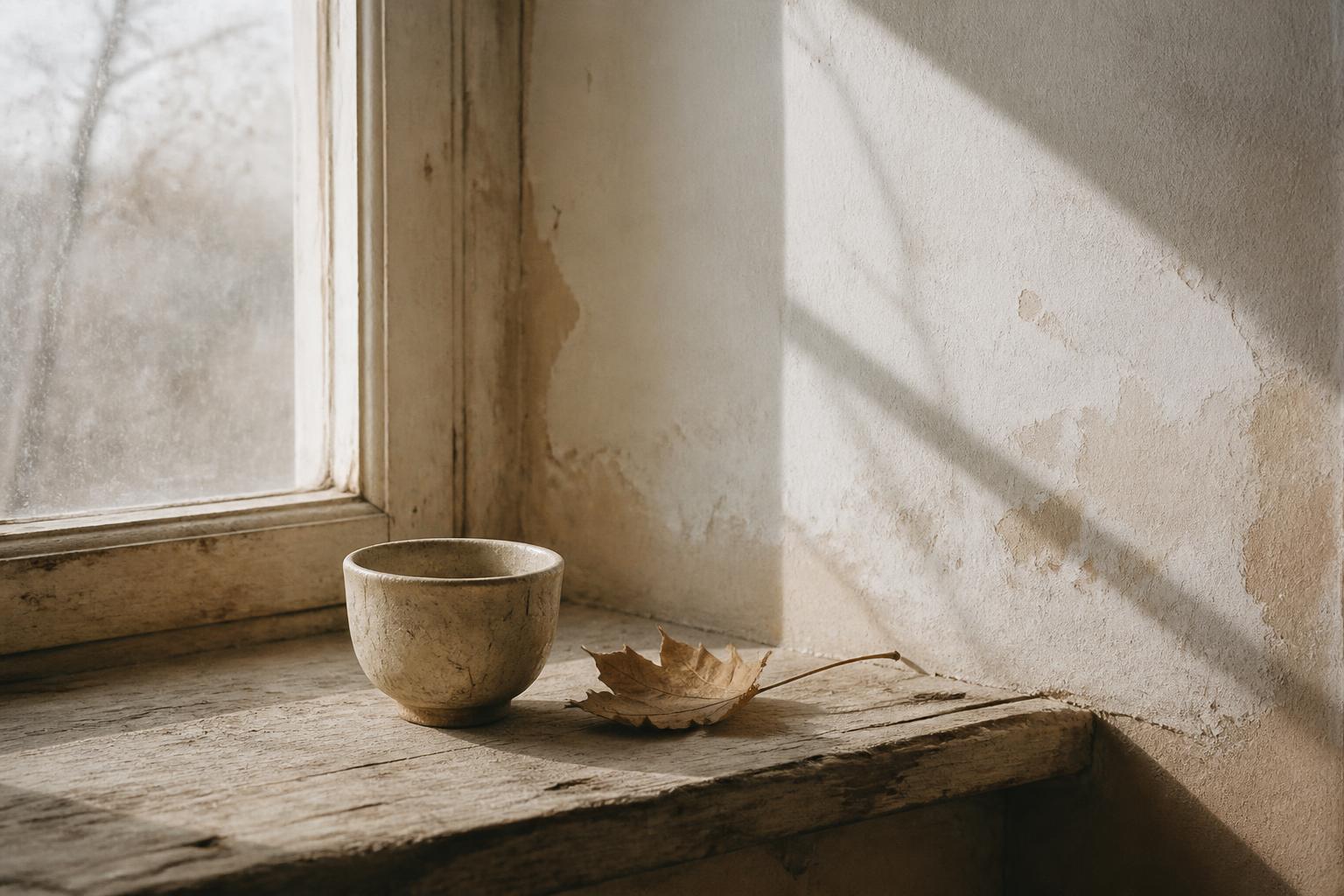
You weren’t wrong.
You just didn’t have the whole frame.
How often do we do this without noticing?
Your attention has preferences.
It selects.
It edits.
It decides what matters before you notice that it has decided.
Find the least interesting part of the object.
Stay with it.
Now look at what surrounds the obvious thing.
In drawing, sometimes the clearest way to see an object is to stop looking directly at it.
You look at the space around it.
What appears when you stop looking only at the centre?
We do this with more than objects.
A person you think you know.
A place you no longer notice.
A story you have told yourself for a long time.
Who or what in your life might you be seeing through an old conclusion?
Return to the world
Before you leave, look away from this screen.
Find one ordinary thing near you.
Look at it as though you have never seen it before.
What appeared?
The invitation is to look again
You already know how to look.
The invitation is to look again.